Grief, Poetry, and Resilient Leadership: Carl Manlan on Love, Loss, and Legacy
What does grief teach us about how to live, lead, and love?
What happens when the work we do in the world meets what we’re carrying inside?
Many of us struggle to find meaning beyond sorrow, but some discover that grief can be a powerful catalyst for inner resilience and renewal. In this post, we'll explore these themes through the heartfelt insights of Carl Manlan, a development practitioner, author, and bridge builder, whose personal journey with grief offers profound lessons on life's resilience.
Drawing from his recent poetry collection I Can Breathe and his reflections on personal tragedy, Carl shares how grief is not just an emotion, but an experience that shapes our capacity for love, strength, and hope. His story moves beyond mere coping, showing that accepting grief as an integral part of life can lead to a deeper understanding of ourselves and the world around us.
The Nature of Grief: An Experience to Be Carried
In our pursuit of understanding grief, Carl Manlan describes it not merely as sadness but as a profound experience rooted in love. He explains, "You only grieve what you love." This insight highlights that grief signals the depth of our attachment and capacity to care. Whether it’s the loss of a loved one, a dream, or a sense of purpose, grief reflects the love that once existed.Carl shares that his relationship with grief is built on acknowledging its sensory and emotional dimensions. "Grief connects to all our senses—the touch, the smell, the seeing," he says. These sensory memories activate feelings that remind us of what we've lost, but also teach us about the importance of presence and appreciation for life’s fleeting moments. For Carl, grief is an experience to be integrated into life, rather than avoided.
Key Takeaway:
Grief is a universal experience closely tied to love; recognizing it as an inevitable part of life allows us to accept and integrate it, strengthening our resilience.
From Loss to Expression: The Power of Writing and Art
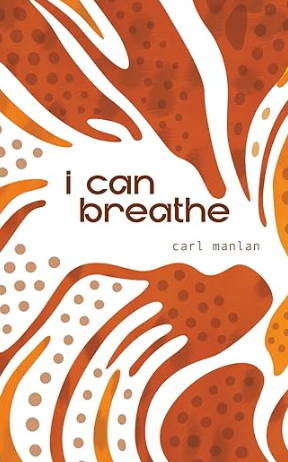
One of the most compelling aspects of Carl’s journey is how he channels grief through poetry, transforming personal pain into artistic expression. His debut collection I Can Breathe was born from a desire to help his children understand the lives and losses of their grandparents, and from a serendipitous workshop in San Miguel de Allende, Mexico where he encountered stories of deep love and loss.
Carl’s poem "Tango" exemplifies how grief and life are intertwined—death and joy, peace and love, dance together in a continuous exchange. He reflects, "To tangle with grief is to be whole in transition." This metaphor captures the idea that embracing grief allows us to move through the natural cycles of life and death, enriching our understanding of human connection.
His experience underscores a vital point: expressing grief through art provides a healing pathway, helping us find beauty beyond pain and giving voice to parts of ourselves often left unheard.
An Invitation:
Use creative outlets like poetry, journaling, or visual art to process grief. Transform it from silence into shared human experience.
Resilience and Leadership Rooted in Love and Purpose
Carl’s remarkable resilience stems from a foundation of love, education, and purpose.
Growing up with parents who emphasized service and continuous learning, he developed an unshakable sense that life’s challenges are opportunities for growth. His own hardships—losing his father at a young age, the loss of his beloved grandparents, navigating career changes, and facing sudden termination—became moments of deeper understanding.
He attributes much of his resilience to early lessons about humility, service, and lifelong learning. For him, each day is an act of resilience: "When you wake up, it’s an act of resilience because there’s no guarantee you’ll see tomorrow." This awareness fosters a mindset of gratitude and purpose.
Carl also emphasizes that resilience is a collective effort, especially in leadership. He celebrates the ingenuity of African women entrepreneurs and the resilience of communities that adapt ingeniously to their circumstances. His stories highlight resilience not just as individual perseverance but as a shared process of renewal, hope, and purpose.
Practical Takeaway:
Embrace each day as a gift. Live with purpose, nurture your resilience, and recognize the collective strength in community and leadership.
Finding Hope and Prosperity in Grief: The Power of Transformation
Perhaps most inspiring is Carl’s belief that grief carries seeds of prosperity and renewal.
His poem "Baobab" symbolizes strength and resilience; concepts rooted in African traditions. The baobab, standing tall despite harsh conditions, embodies hope emerging from adversity. He recounts how his personal losses and experiences in Africa, such as growing cocoa and coffee or witnessing women entrepreneurs, are manifestations of resourcefulness and hope.
For Carl, grief is the seed buried deep, which, when nurtured, grows into prosperity—a woman standing strong and free or communities transforming hardship into new opportunities.
He asserts, "Prosperity is a woman, a grace," emphasizing the feminine strength inherent in resilience. Grief, thus, becomes not only a wound but also a root from which new beginnings grow. This transformative perspective allows us to see pain as a temporary but powerful gift that propels us forward.
Breathing Through Grief and Embracing Life
In closing, Carl’s core message is simple yet profound: "As long as you're breathing, there’s an opportunity."
Even in moments when life feels suffocating, resilience persists, breathing is a reminder that we are alive, capable, and deserving of hope.
His insights encourage us to lean into grief, to transmute pain into purpose, and to trust that life’s cycle of love, loss, and renewal is natural and necessary. Whether you have experienced personal loss or are seeking a deeper sense of purpose, Carl’s words remind us that every breath is a gift. An invitation to continue, to grow, and to find light amidst darkness.
Remember: every ending is a seed for a new beginning.
Closing Reflections:
What is grief, and how can I understand it better?
Grief is an emotional experience rooted in love and attachment. Recognizing it as an inevitable part of relationships and human life helps us accept and process it healthily.
How can I express grief in a meaningful way?
Creative outlets like poetry, journaling, or art can transform grief into a shared human story. Don’t hesitate to channel your feelings into something beautiful and healing.
How does resilience relate to grief?
Resilience is the ability to recover and grow after hardship. Embracing grief as part of life strengthens this resilience, enabling us to find hope and purpose beyond pain.
Can grief lead to new growth?
Absolutely. Carl Manlan describes grief as a seed that, when nurtured, grows into prosperity, strength, and new opportunities, like the resilient baobab tree.
What role does community play in navigating grief?
Shared stories and collective resilience are vital. Connecting with others who understand your experience can foster healing and hope.
Connect with guest, Carl Manlan:
Connect with Nina Rodriguez:
If this conversation resonated with you:
✅ Share this episode with someone who needs it
✅ Follow Grief and Light so you never miss a conversation
✅ Leave a review! It helps this podcast reach more hearts
Comments